KRACHEH
Our Complete Guide to Kracheh
We love getting out of town and heading into rural Cambodia, looking at what makes each place unique and visiting places that are new to us. And when we visited Kracheh, it did not disappoint.
Kracheh often attracts people wanting to spot an Irrawaddy dolphin in its natural habitat, and that was the main reason we were there too. But we soon realised how much more Kracheh has to offer. One of the first things we noticed was how different the landscape and rural life felt here. Sitting next to the Mekong River, the land around Krong Kracheh is rich and filled with vegetable patches, pomelo orchards, lotus fields and rice paddies. We really enjoyed travelling through the quiet rural villages.

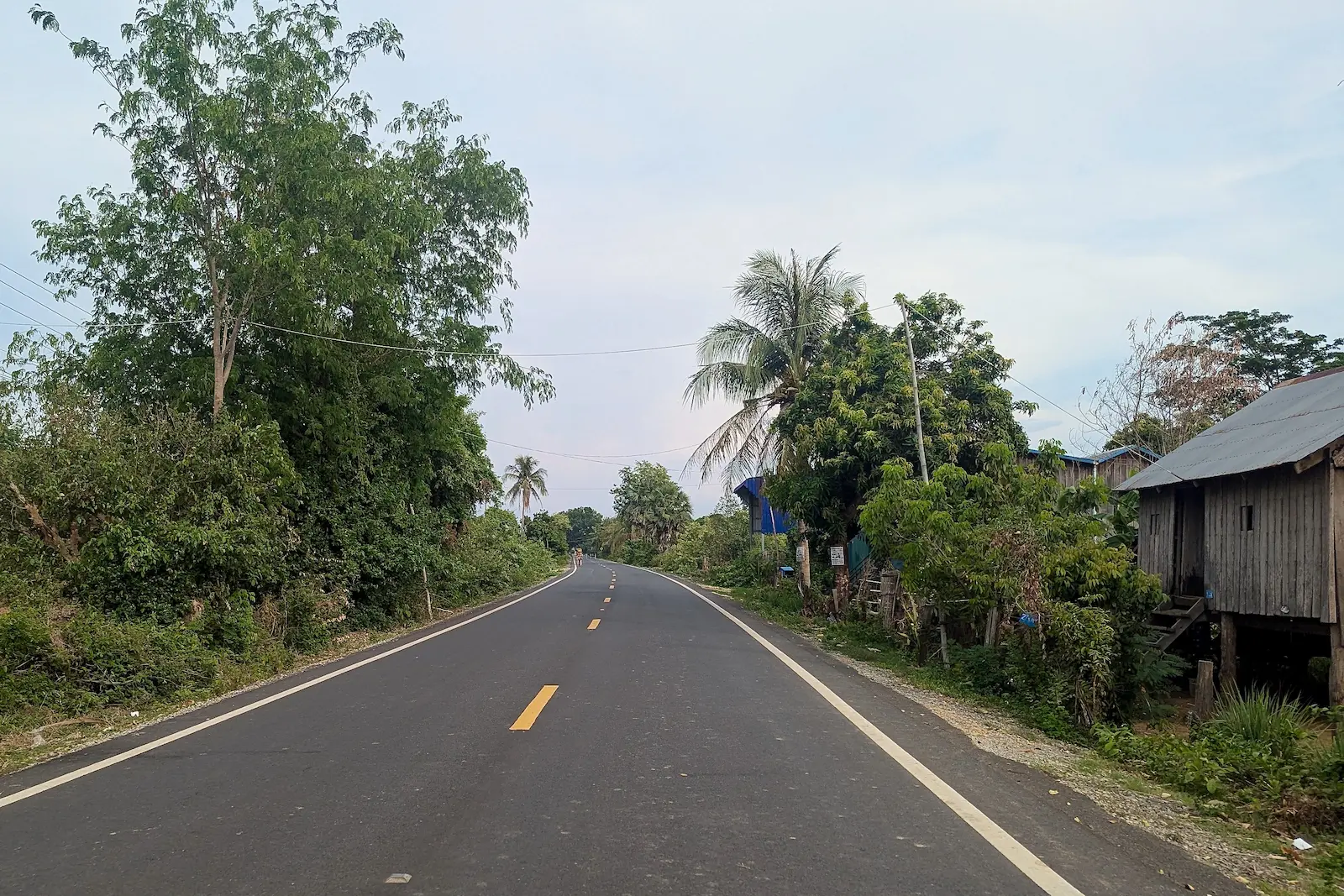
Even driving the rural roads around Kracheh was peaceful, not something you might expect us to say about Cambodian roads, but we loved seeing people out and about. Children riding bikes to school, older women walking the roads or riding their bikes in the early evening. Fewer cars and motorbikes than we see in other places.
Once out of town for a few minutes, we also noticed the abundance of wooden houses. Lots of them are built on stilts to protect them from the annual rise of the Mekong River, with small bridges connecting the house to the road.
Kracheh is pronounced as we spell it here, Kra-cheh. But it is also common to see it spelt by the French spelling, Kratie. And don’t worry, most people in tourism are used to people calling it Kra-ty so they will probably not even correct you.
Where is Kracheh?
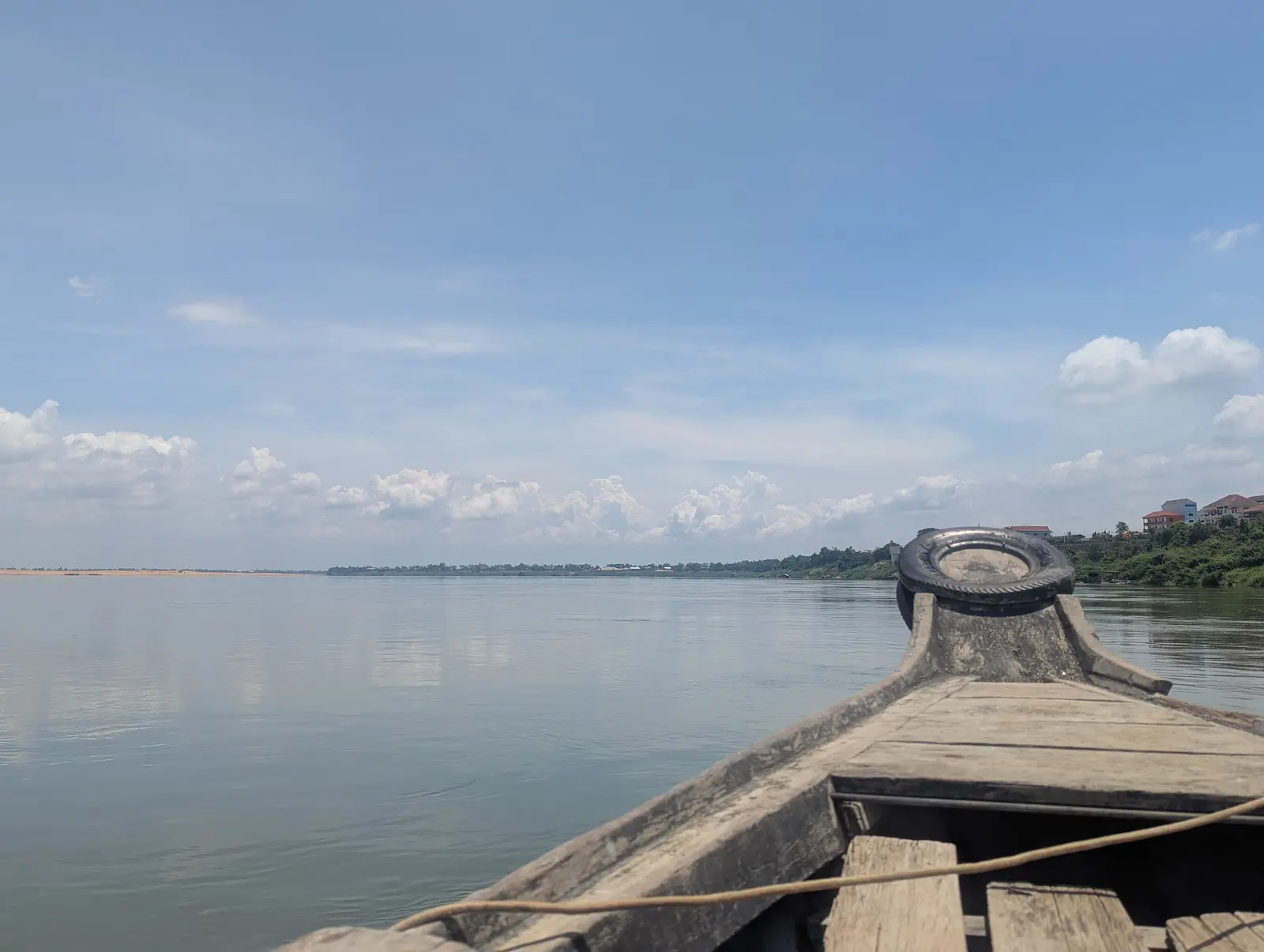
Kracheh sits on the Mekong River in eastern Cambodia, approximately four hours from Phnom Penh by road. It is easily accessible by bus or private car and is also well positioned if you are travelling further east or north through Cambodia.
It makes a great stop if you are travelling between Phnom Penh and Mondulkiri or Ratanakiri, or continuing north through Stung Treng towards the Laos border. From Siem Reap, Kracheh can also be added on the way to Phnom Penh, although it means a detour of around two hours each way.
Things to do in Kracheh
See the Irrawaddy dolphins at Kampi
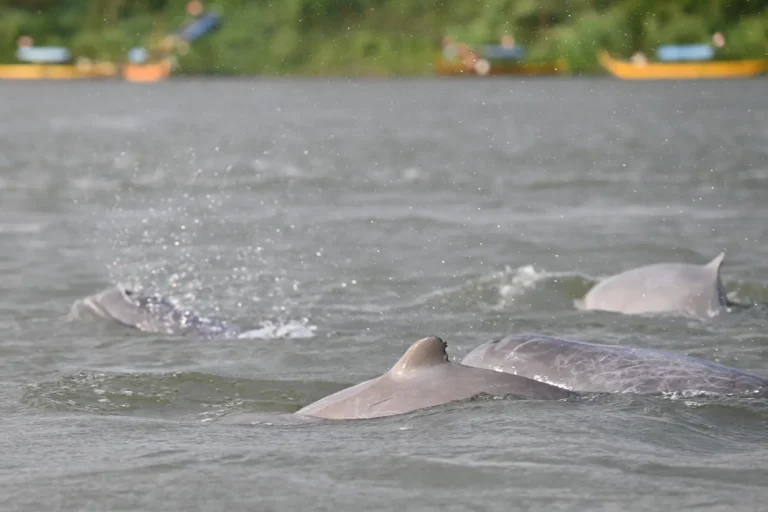
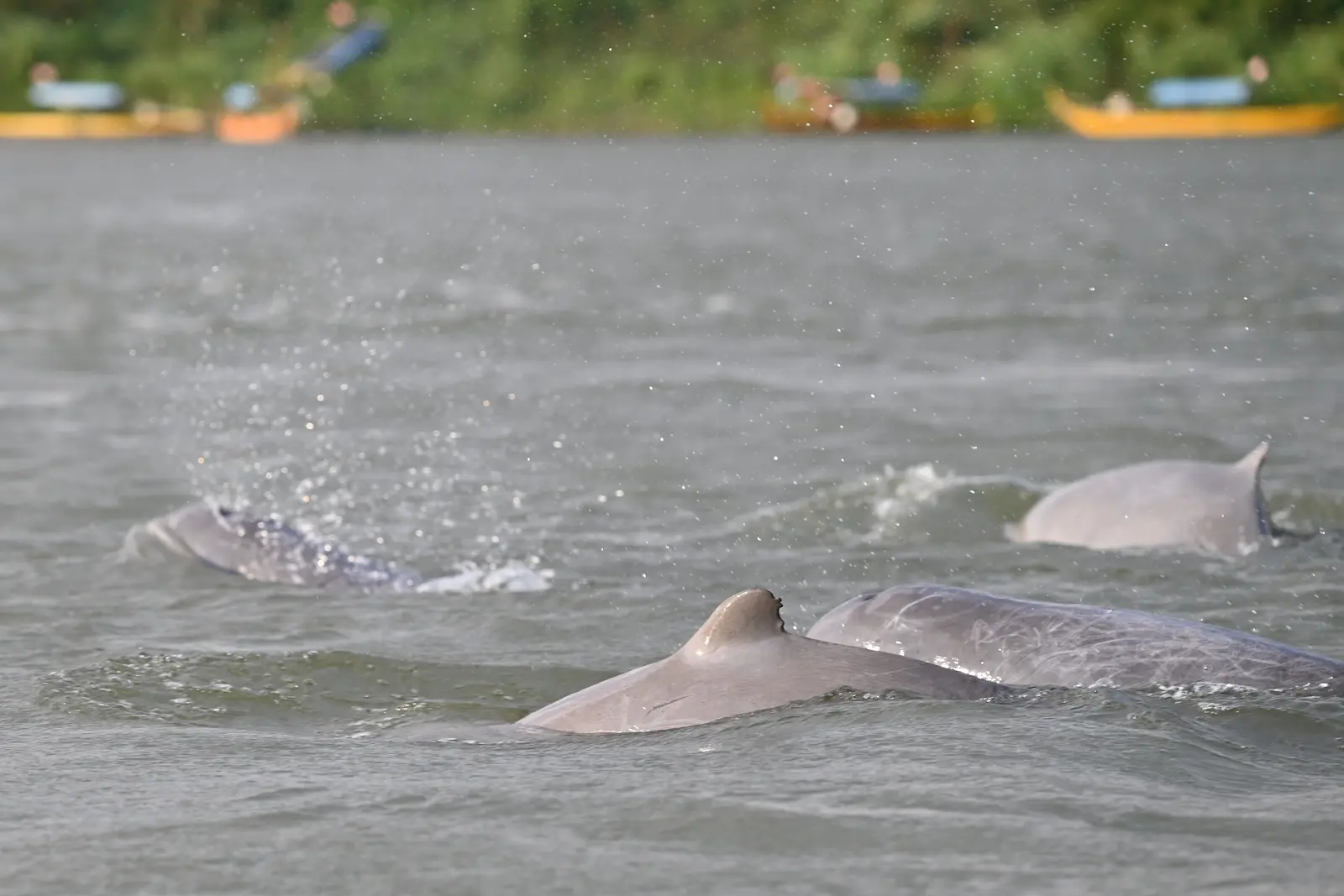
Getting a glimpse of the Irrawaddy dolphin is one of the main reasons people visit Kracheh, and we believe it shouldn’t be missed. It is one of the few places in the world where you can see Irrawaddy dolphins in the wild, and the dolphin-watching area at Kampi is only about 15 minutes from town, so it’s easily accessible by tuk tuk or motorbike.
We headed to the Kampi Dolphin Viewing Site in the late afternoon. The community-based tourism site is well organised and when we arrived it was easy to organise a boat and driver to take us out. Boats cost 40,000៛ ($10) per person for one or two people, or 32,000៛ ($8) per person for groups of three or more. Children under 12 cost 20,000៛ ($5).
There are also a few options at tour agencies and hotels in town for a half-day kayaking tour if you’d prefer to see the dolphins from a kayak.
The best time to head out is in the morning or late afternoon, when the dolphins come to feed in the area. We chose the afternoon and got the added bonus of watching the sunset over the Mekong.
We were only on the water for a few minutes before we saw our first dolphin and we loved every minute of the one hour we spent on the boat. Longer boat trips are also available if you want to travel further along the river or visit one of the nearby river islands.
After our boat trip, we stayed behind on the platform and watched the sunset and the dolphins from the water’s edge.
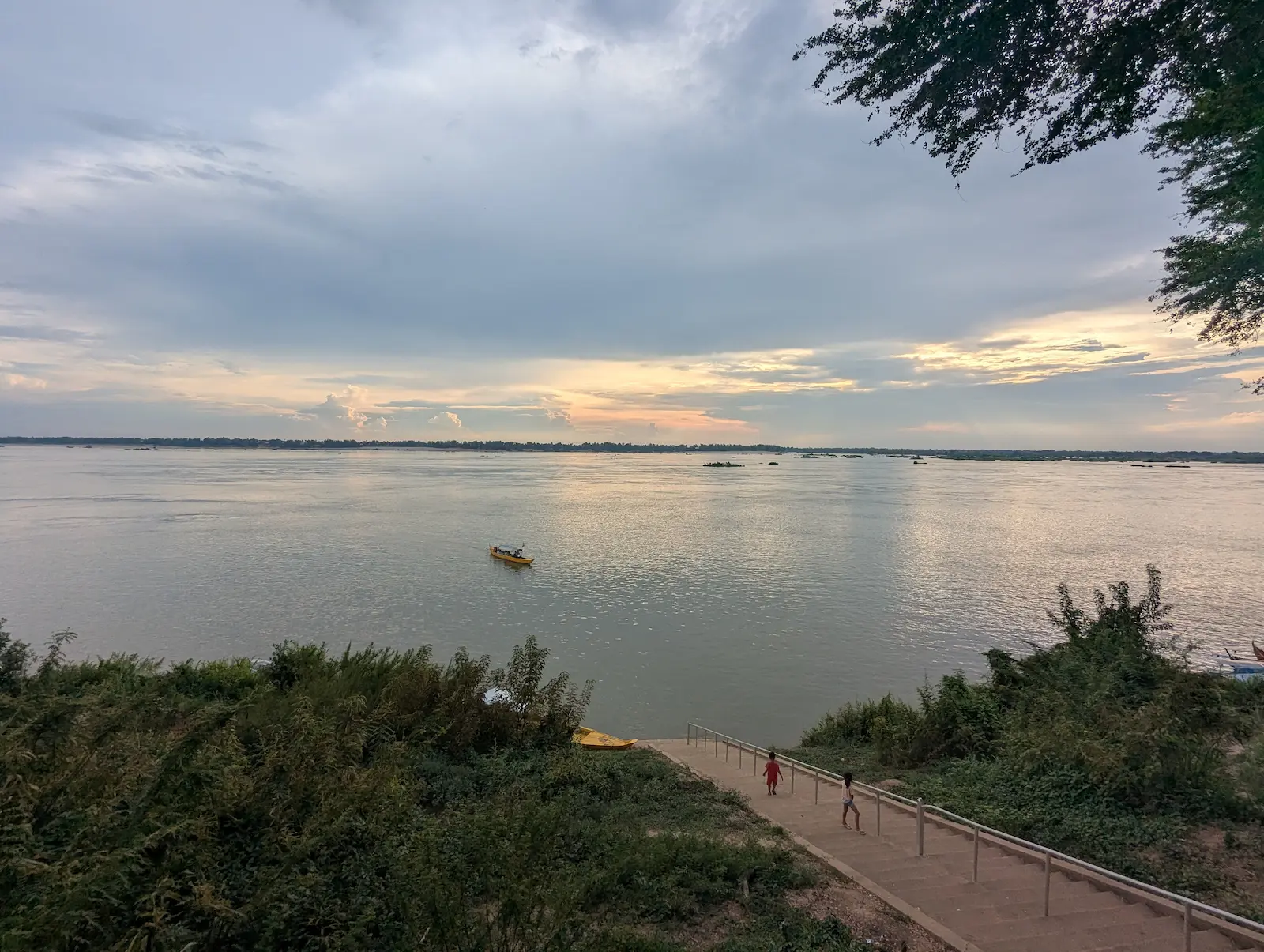
Cycle around Koh Trong
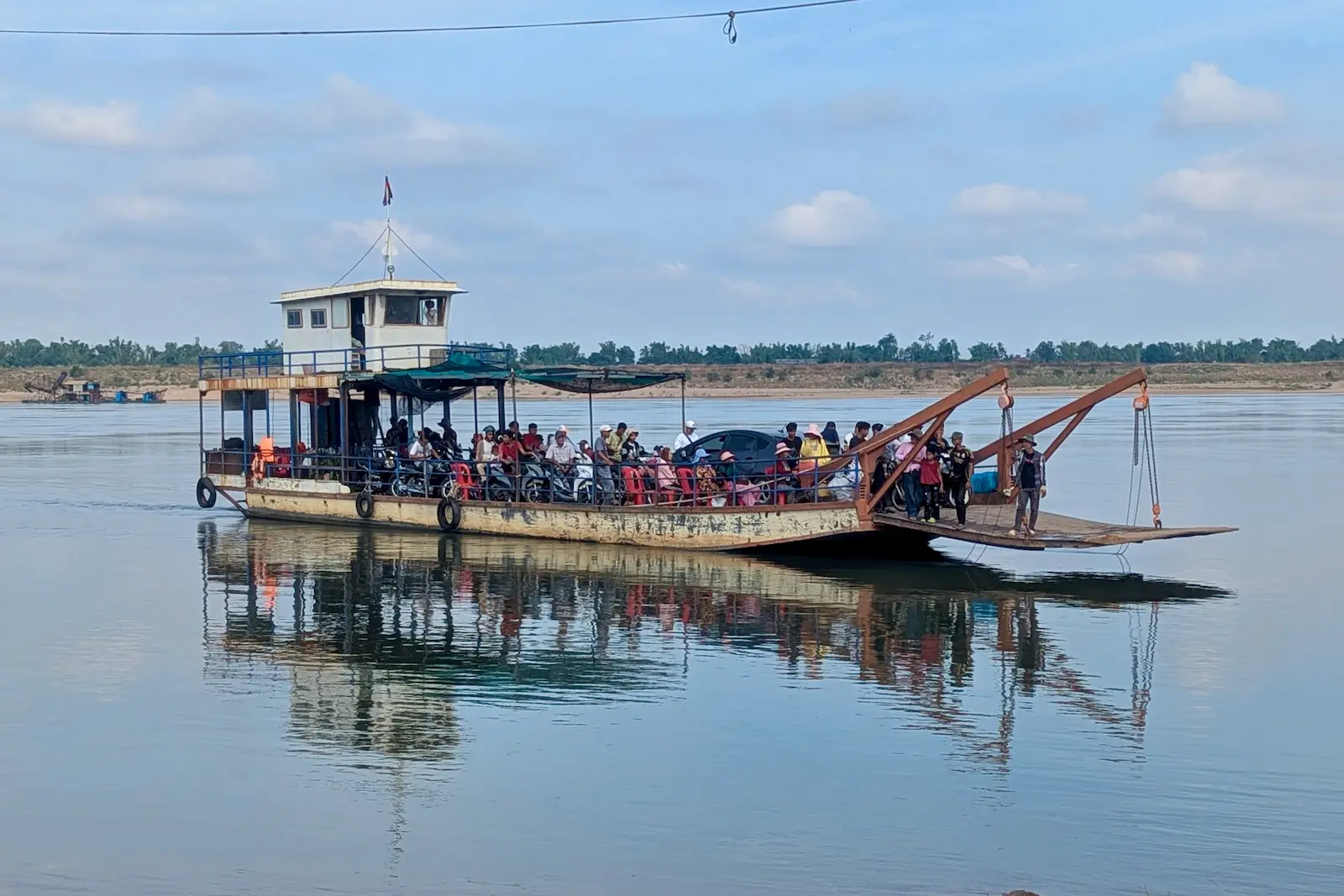
The island you can see across the river from the Kracheh promenade is Koh Trong, a quiet Mekong island filled with pomelo orchards, small farms and villages. We took the ferry across from Kracheh and hired bicycles once we arrived. The ferry costs 1,000៛ ($0.25) per person, more if you take a bicycle or motorbike.
The crossing itself only takes about five minutes, but the ferry doesn’t run to a regular timetable so we waited around 45 minutes for ours to leave. The last ferry leaves the island at approximately 5.30pm, so don’t miss that one.

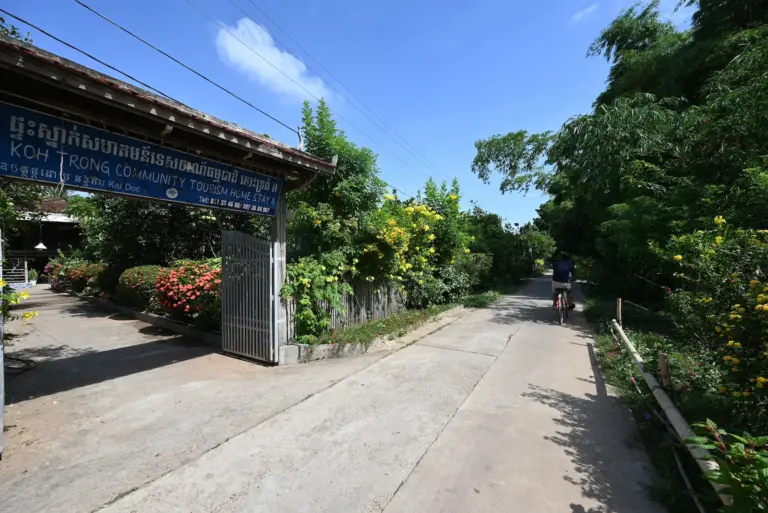
Bicycles are available to hire for 8,000៛ ($2) on the island. Just follow the bamboo path up to the Community Based Tourism Centre, the first building you will see, where you can also hire a motorbike if you don’t want to cycle around the island.
The loop around Koh Trong is only about 14 km and mostly follows a small sealed road running parallel to the river. We really enjoyed cycling around and seeing daily life on the island. I managed to take lots of photos of haystacks on stilts and cows, which for some reason caught my attention. We wished we’d taken it a little slower and given ourselves more time but we had a bus to catch that afternoon.
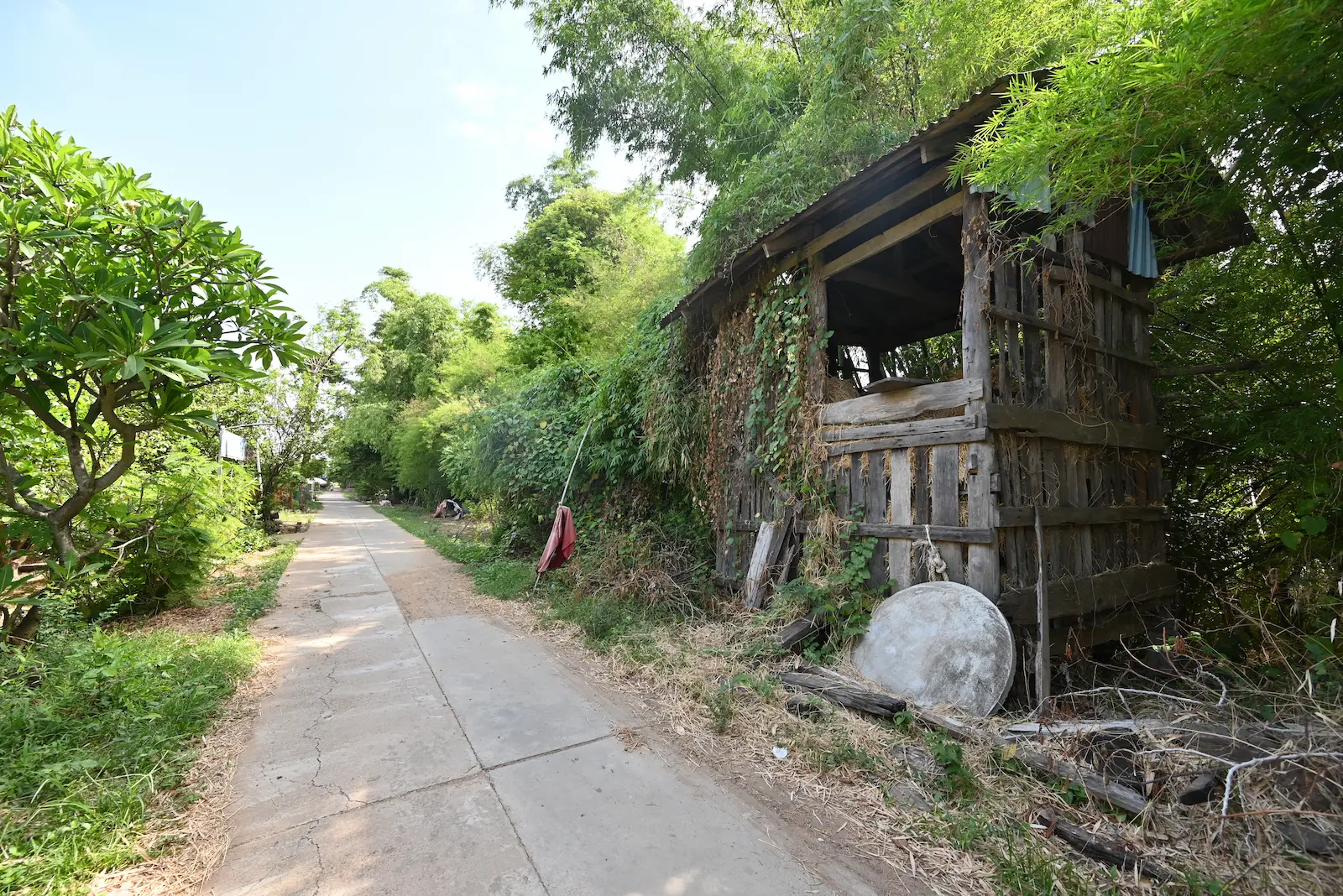
There are a few places worth stopping at as you make your way around, including the Vietnamese pagoda and floating village. You’ll also pass plenty of pomelo orchards and a couple of other pagodas along the way. You could cycle the loop in a few hours, but we’d allow at least half a day so you have plenty of time to stop along the way.
There are also homestays on Koh Trong if you’d like to stay overnight on the island.
Swim and relax at Kampi Rapids
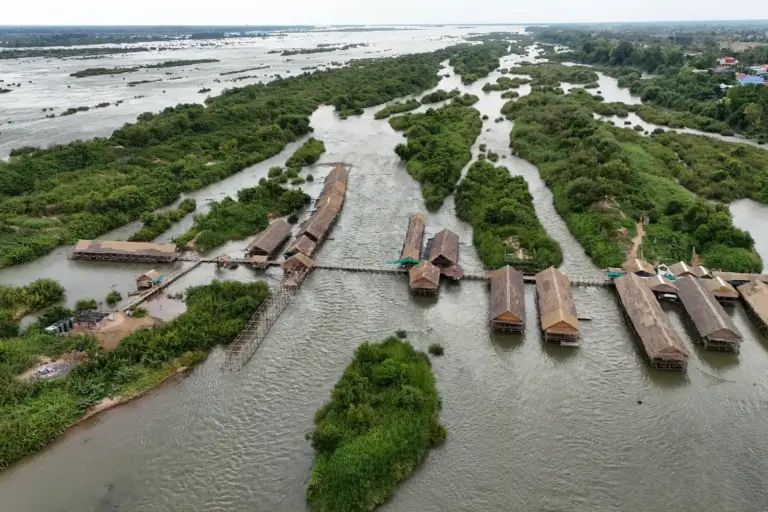
The Kampi Rapids are a rocky section of the Mekong River just north of Kracheh, where rocks and sandbars create a series of small rapids during the dry season.
Each year, as the river level drops, the local community builds long bamboo shelters out over the water, connected by bamboo boardwalks. The huts have mats, hammocks and fans, making them a great place to sit and relax between swims in the river.
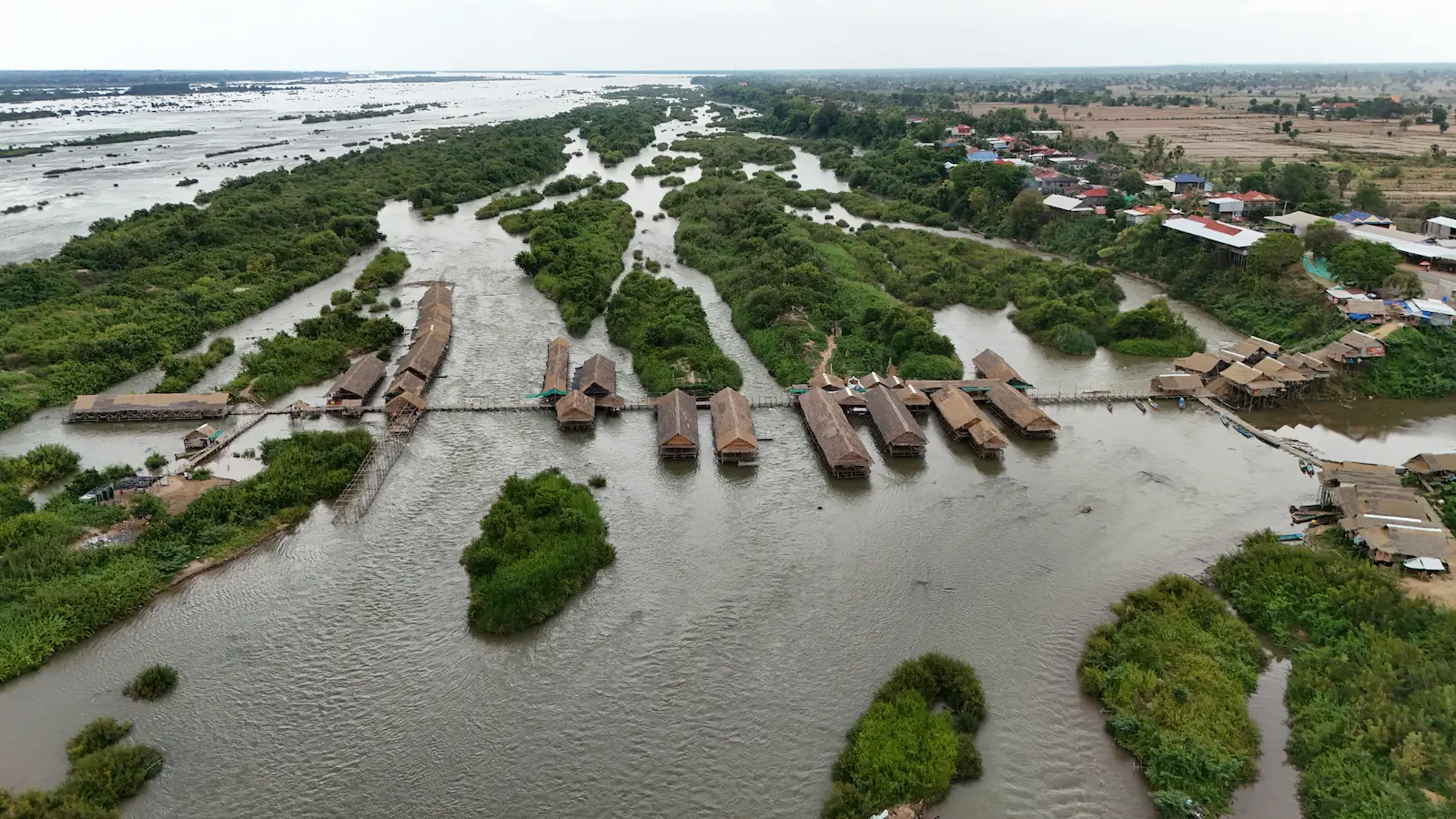
We arrived and decided on a hut near a quieter section of the river for 10,000៛ ($2.50) and ordered lunch from the owners. There is also a variety of stalls selling food and drinks if you just want a snack, or you can bring your own food.
You can swim in the river straight from the side of the huts, and most had tyre tubes and life jackets available to hire. There are also ropes to hold onto in the water as the current can be quite fast and it’s rocky underfoot.
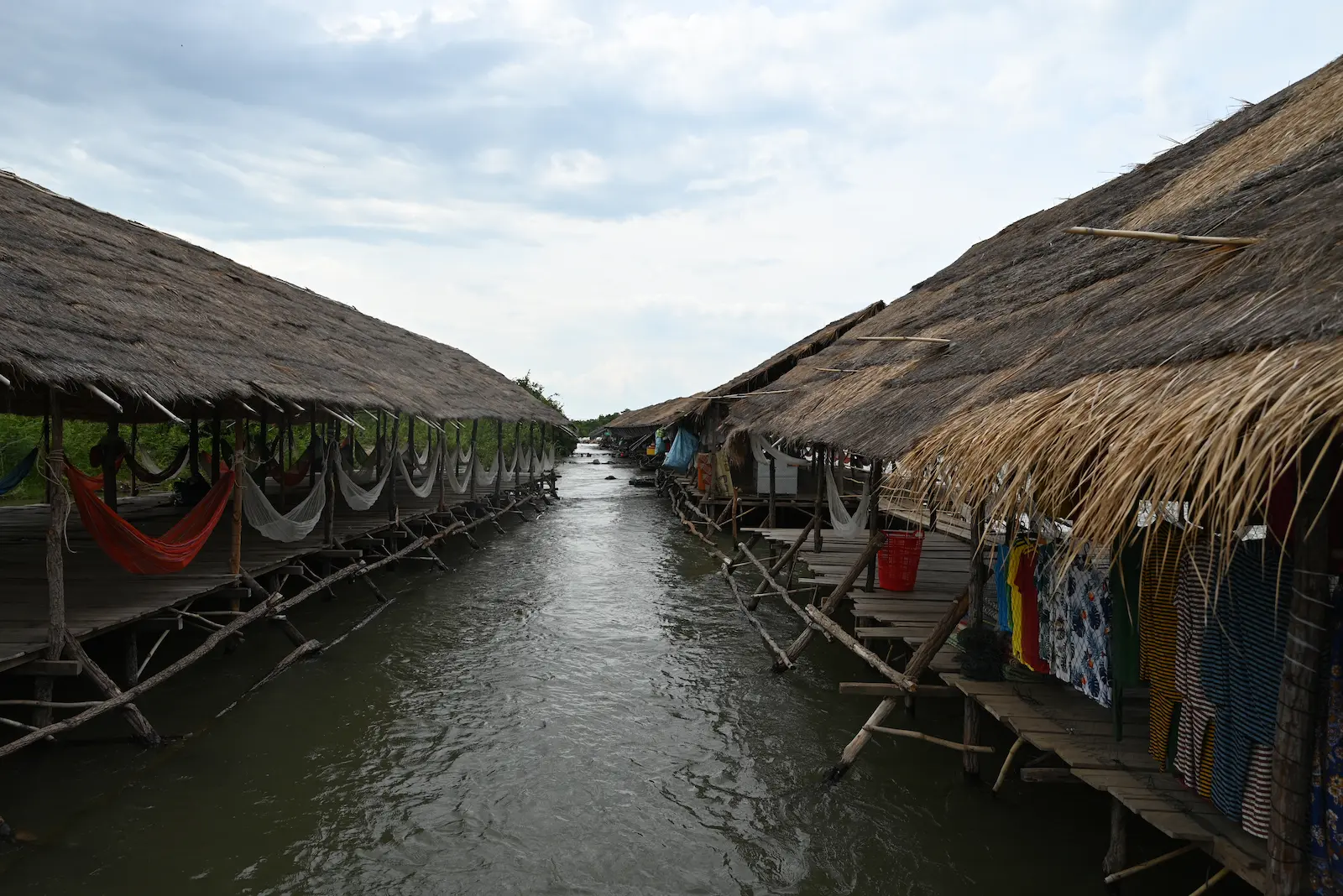
Kampi Rapids is not far from the dolphin viewing area, making it easy to combine the two. We really enjoyed sitting back in a hammock and watching families swimming and eating together. We imagine it would be a great place to come on a hot day and position yourself on a rock in the Mekong for the afternoon.
Climb Phnom Sambok
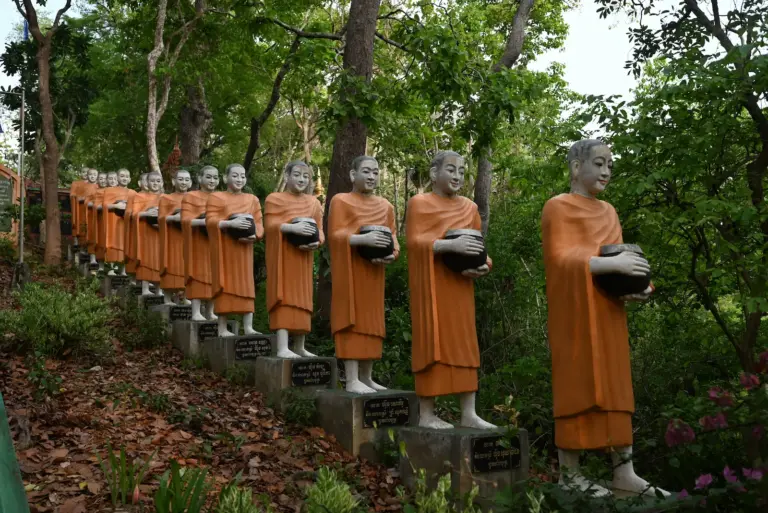
Phnom Sambok is a pagoda complex about 10 km from Kracheh, on the way back from the dolphins or Kampi Rapids. Sitting on the only hill in the area, the highlight here is what seems like hundreds of monks lining the stairs as you climb to the top. Although it was an unexpected addition to our trip, it ended up being one of our favourite places to visit in Kracheh.
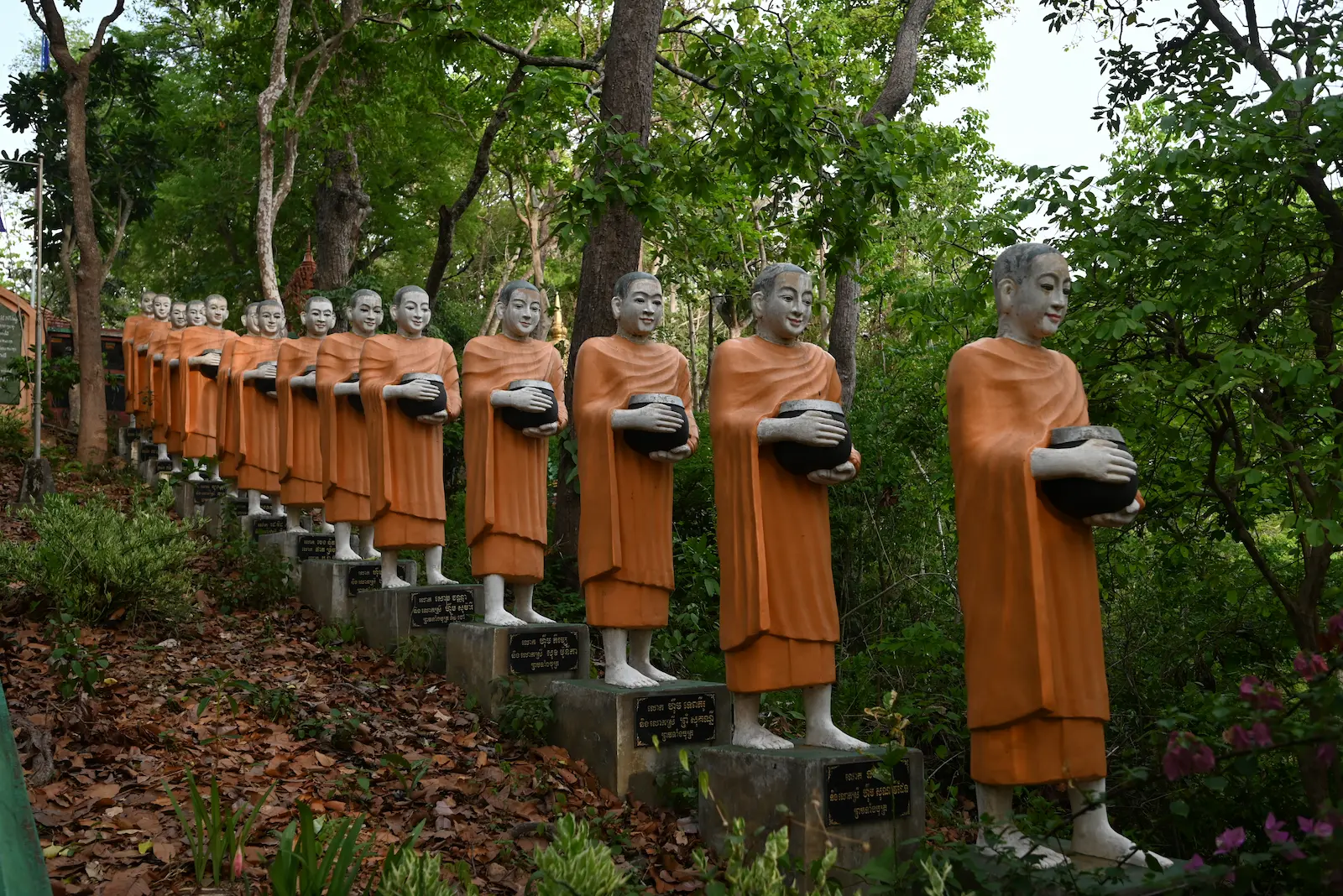
Life-size statues of monks carrying alms bowls guide you up to the first two levels. From there, monks carrying umbrellas lead you towards the top of the hill. There are more than 300 stairs to climb, but each landing has different sculptures and things to look at, so you get a good break in between. We enjoyed spending a leisurely couple of hours here looking at scenes from Buddha’s life in the statues around the pagoda.
At the top of the hill is a small pagoda and a few more sculptures, and from here you can peek through the trees to see the sweeping plains around the Mekong River.
Walk around Kracheh
Unlike many other towns in Cambodia, Kracheh is easy to explore on foot. The roads near the river are fairly quiet and a wide promenade runs along most of the centre of town, from the Koh Trong ferry to the Kracheh Provincial Office. In the mornings and evenings it fills with people walking and running. It’s a great place to watch the boats on the Mekong and the ferry making its way back and forth to the island.

Just back from the river is Kracheh Market, surrounded by some of the smaller streets of the town. We didn’t spend much time exploring the market because trips to the markets are part of our everyday life here, but if you’re visiting Cambodia it’s worth wandering through while you’re exploring the town. The streets aren’t the prettiest in Cambodia, but there are some quaint little shophouse areas around the market.
Visit Wat Krong Kracheh
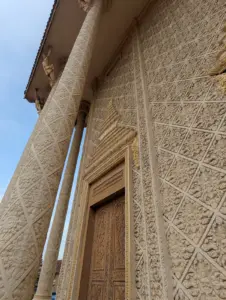
Along the river is Wat Kracheh, a pale pinkish gold pagoda covered in intricate decorative details that give the exterior an almost lace-like appearance. As the light changes throughout the day, the pale pinkish exterior can take on a much more golden colour.
We visited during a morning walk along the promenade and spent a few minutes wandering the grounds and admiring the exterior. We only wish we’d seen it again in the afternoon light, when it takes on more of that golden appearance.

Visit Wat Roka Kandal and the 100 Pillar House
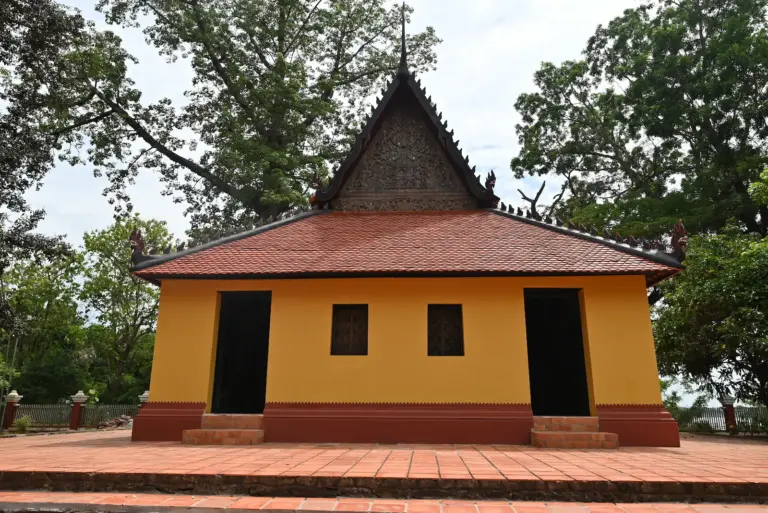
Wat Roka Kandal is a small historic wooden pagoda dating back to the late 18th or early 19th century and is said to be one of Cambodia’s oldest surviving wooden pagodas.

From the outside you can see the wooden carvings in the pediments, with contrasting yellow walls and red roof tiles. Inside it’s all about looking up. There is intricate stencil work on the wooden pillars, while above them is a lattice of crossbeams and a carved central roof truss opening up towards the peak of the roof. It’s quite a humble little pagoda, but we really enjoyed looking around it.
The 100 Pillar House shares the same site as Wat Roka Kandal, so you can easily visit both at the same time. The traditional Khmer wooden house is thought to be around 200 years old and was moved here from Chhlong in 2020. It has since been turned into a small museum. Despite the name, only around 40 of its original pillars remain.
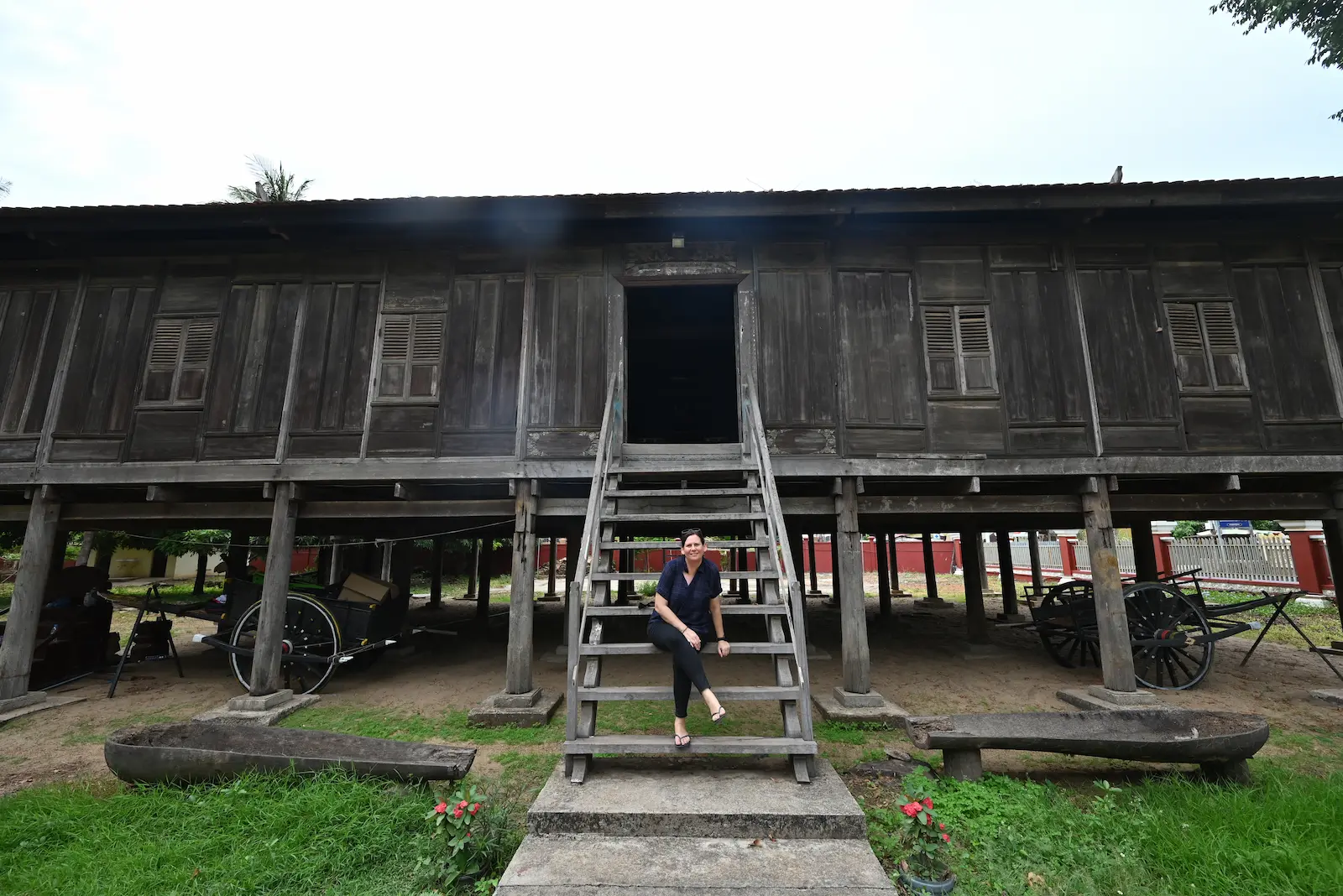
We enjoyed wandering through the house and looking at the artefacts inside, but it was the shards of light coming through the thin gaps in the wooden floorboards that caught our attention the most.
Things to do further afield
Explore the countryside along the Mekong
We loved spending time outside of Kracheh, especially following the roads along the Mekong. It was just the start of the rainy season when we visited, so the river was still quite low. Along the riverbanks, vegetables were growing on land that would soon disappear beneath the rising Mekong, with people making the most of the fertile soil while they still could.
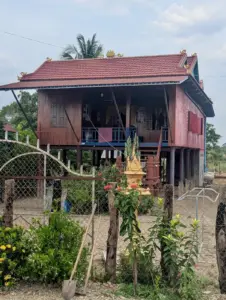

The further we travelled from town, the more wooden houses we started to see. Many are raised on stilts, with small bridges connecting them to the road and decorative finials along the ends and ridges of their tiled roofs. They are built ready for the annual rise of the Mekong, which would soon be flowing underneath them. One thing that made us laugh was that even some of the powerlines were on stilts.
You don’t necessarily need to make a separate trip to see any of this. Even the road out towards Kampi and the dolphins takes you past lotus-filled fields, small farms and quiet wooden villages.
Visit the 100 Column Pagoda
Not to be confused with the 100 Pillar House, the 100 Column Pagoda is about 35 km north of Kracheh. Actually, the 100 Column Pagoda apparently has 116 columns following its most recent renovation, but we didn’t take the time to count. We were too busy trying to fit all those columns into our photos.
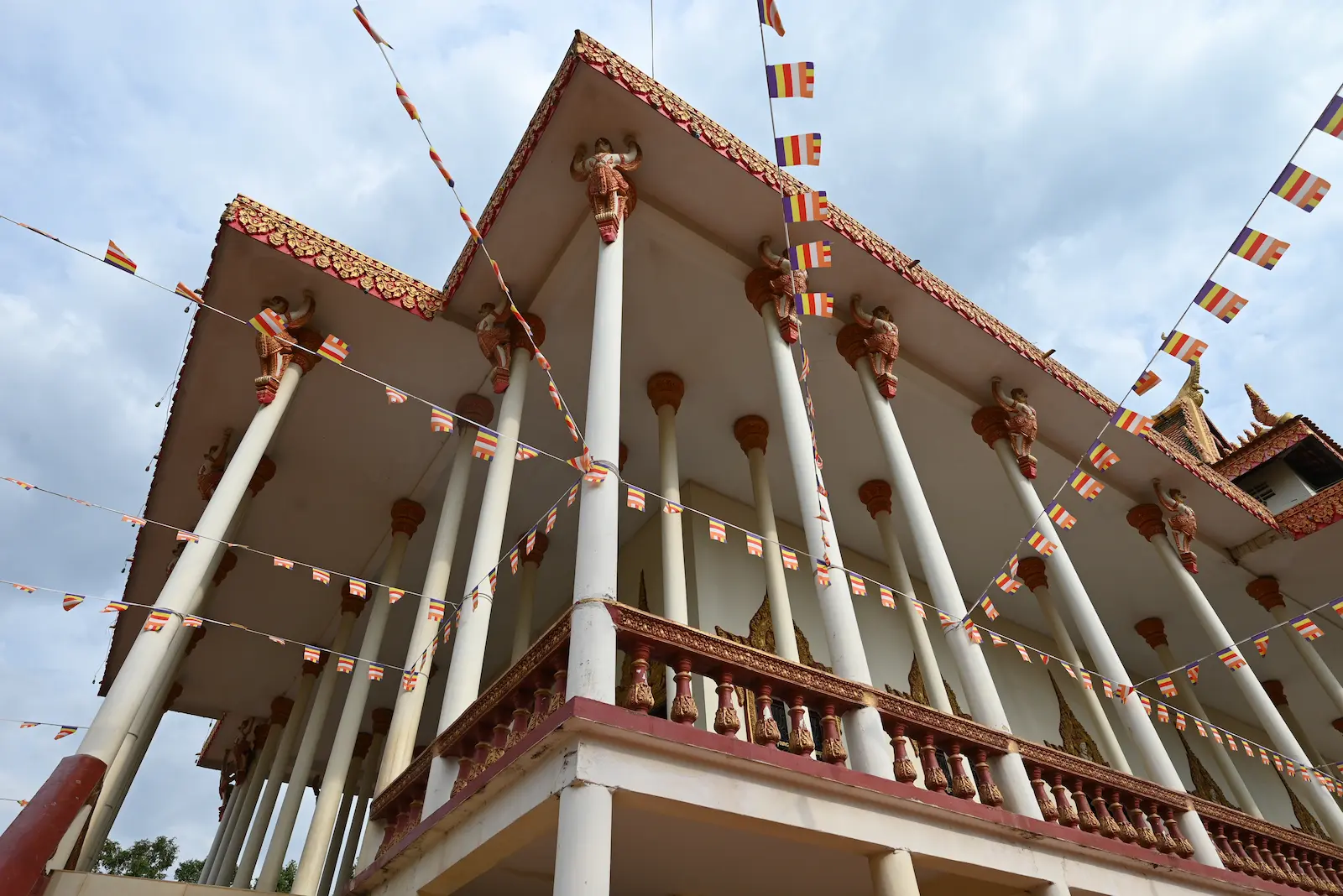
The pagoda is quite unusual because it faces north, while most traditional Cambodian pagodas face east. And there is a rather strange local legend behind the pagoda involving a princess and a man who accidentally transformed himself into a crocodile and eventually swallowed both his master and the princess.
We enjoyed wandering around the gardens and looking at the pagoda, and you can also go inside, where there are some vibrant murals.
It used to be home to the Mekong Turtle Conservation Center, but the centre is now permanently closed. It is a popular pagoda, and while we were there, two large buses of monks and worshippers arrived.
The ride out here was lovely, but we may not have bothered if we’d had less time. It is quite a way from town and we didn’t find anything else we could pair it with. But if you enjoy visiting pagodas, this is certainly an interesting one.
Take a trip to Chhlong
Chhlong is a small riverside village about 30 km south of Kracheh. Although there is not much there to see, many people head to Chhlong for lunch or to spend a night at Le Relais de Chhlong, a restored French mansion.
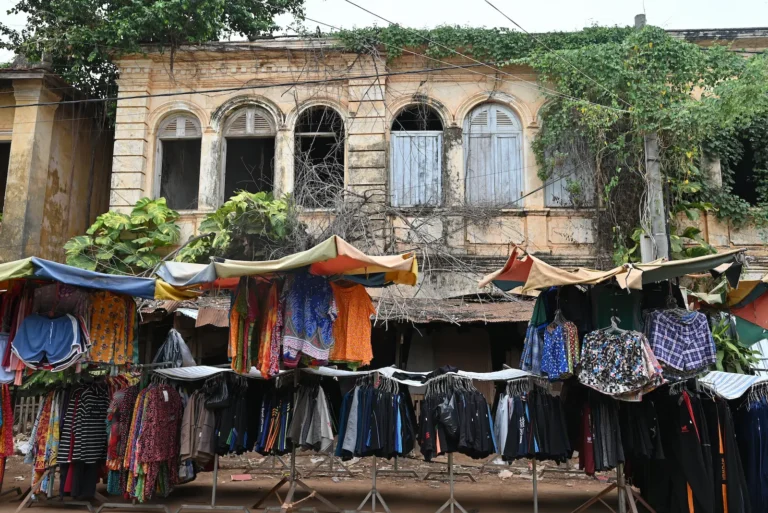
Around the market is a series of old French colonial buildings that are slowly being reclaimed by time. They look quite magical sitting above the brightly coloured umbrellas of the market, with trees and vines growing through them.
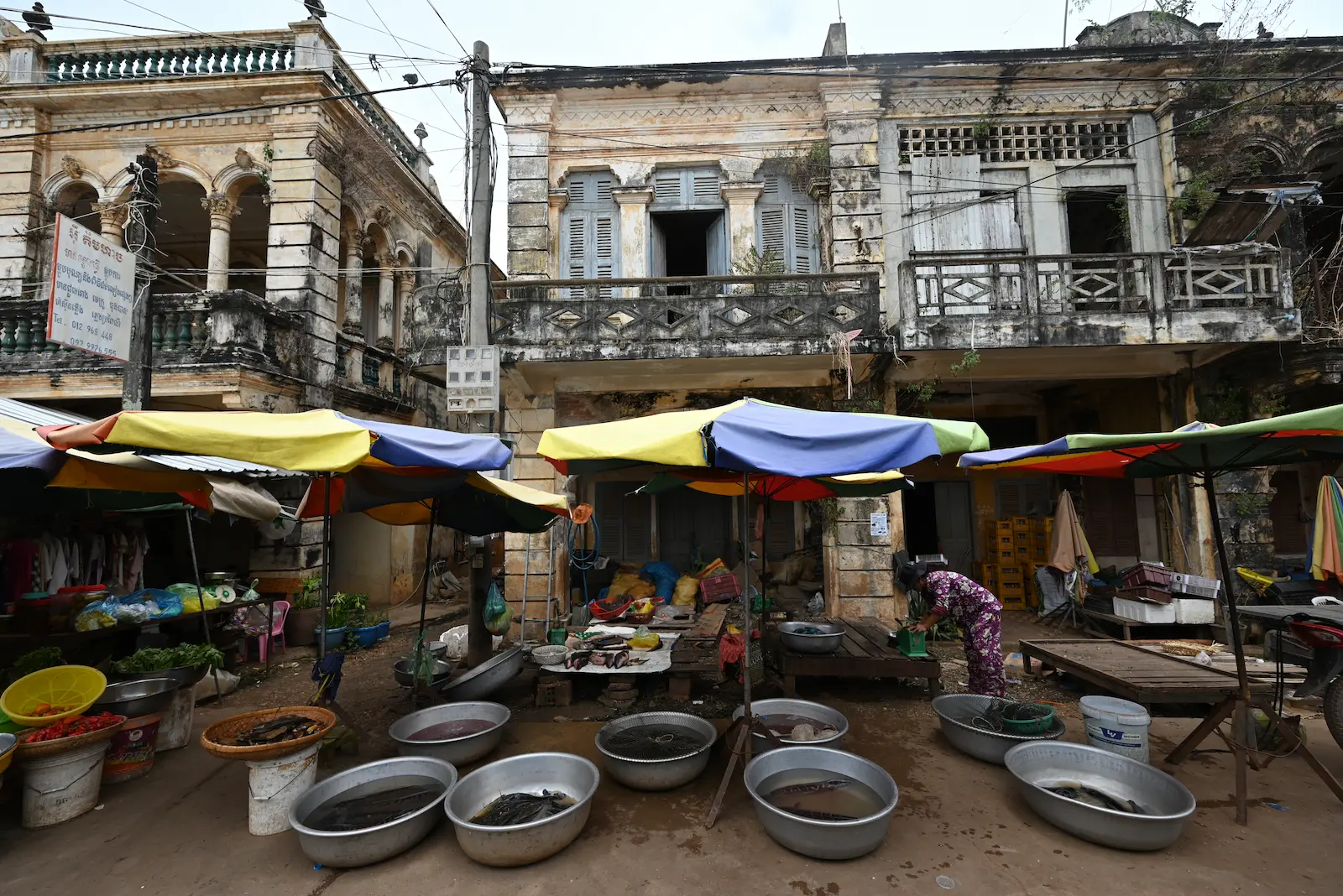
We spent about an hour wandering around the market and surrounding streets, looking at the old buildings. Unfortunately, Le Relais de Chhlong was closed for renovations when we visited, but otherwise we definitely would’ve stopped there for lunch.
How many days do you need?
When we went, we stayed for four nights and found it a really nice amount of time to get to know the place, but we also realise that most people don’t have that amount of time to spend.
If you’re really only here to see the dolphins, one night can be enough, but there really isn’t much extra time to take in anything else. With two nights, you can see the dolphins and some of the other key sights, such as Phnom Sambok, Kampi Rapids or some of the pagodas around town.
Three nights is what we’d recommend if you want to see a good range of things in Kracheh without rushing. In that time you can see the dolphins, cycle around Koh Trong and visit some of the pagodas, with time for somewhere like Kampi Rapids as well. You could also choose to spend one of those nights on Koh Trong or in Chhlong.
How to get to Kracheh
We travelled to Kracheh from Phnom Penh using the Virak Buntham (VET) Air Bus, with the journey taking around four hours. There are several buses throughout the day, making it quite an easy trip from Phnom Penh.
The VET bus drops you on Street 3, only a few hundred metres from the river. There are quite a few guesthouses and hotels around this area, so depending on where you’re staying, you may even be able to walk there from the bus station. VET also advertises services between Siem Reap and Kracheh.
Kracheh is also easily reached by private car, which can be a useful option if you’re including it as part of a longer trip.
Where to stay
We stayed at Le Tonle, a small NGO-run guesthouse along the river. Our room was clean and simple, and we were offered a $15 room or a $20 river-view room. We took the river-view room so we could watch the world go by, although the bed was against the window so we had to sit backwards to actually see it. But we would happily stay here again.
Next door is the popular Sorya Guesthouse, which also offers motorbike hire and tours, including kayaking trips to see the dolphins.
There are quite a few small guesthouses along the river, with varying prices and standards, and this is a convenient area to stay if you want to be able to walk around town.
If you’d like to stay somewhere a little different, you could spend a night outside Kracheh. Le Relais de Chhlong is a restored French colonial mansion about 30 km away, while Koh Trong has several homestays, including Pomelo Homestay.
Getting around Kracheh
We hired a motorbike from Sorya Guesthouse for 32,000៛ ($8) a day. They charge by the calendar day rather than for a 24-hour period, so don’t make the same mistake we did and leave it until the afternoon to hire one. If you keep it the following day, you’ll need to pay for another day. We didn’t arrive until around 4pm, so they only charged us for half a day, but we probably would have picked it up earlier if we’d known.
There are also tuk tuks and motodops around town, many of which were waiting when our bus arrived. If you’re looking for a driver during your stay, it’s worth getting a phone number from one of the tuk tuks when you arrive at the bus station.
PassApp and Grab weren’t available when we visited, even though Grab listed Kracheh as one of its service areas. If you need a tuk tuk, your guesthouse should be able to organise one for you. Otherwise, we found drivers around the main streets, particularly near the market and river.
Where to eat
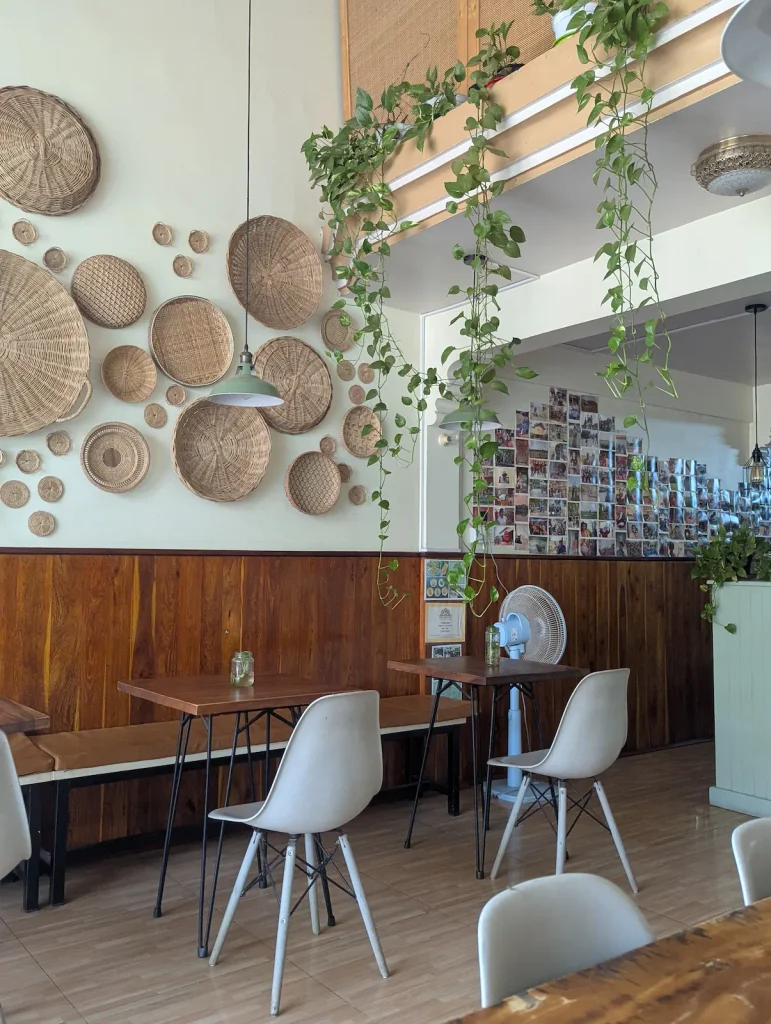
Street Three Eatery was our favourite place for coffee. We love it in Siem Reap too, where I can get a good fix of Australian-style coffee. They also have a good menu with plenty of vegetarian and vegan options.
For lunch, we headed to a few Khmer places. Meng Mao was our favourite of the ones we tried, and it was very affordable at approximately 12,000៛ ($3) a meal. They also have a menu in English.
We enjoyed a few beers at a local place down by the river. We could see it from our room, so we took the steps down from the promenade and sat watching a storm roll in over the river. It was particularly popular with younger Cambodians.
For dinner, we recommend Sorya Guesthouse restaurant for pizza. They also have great salads, and the view over the river makes it a nice spot to grab a drink in the evening. Although we stayed at Le Tonle, we didn’t get a chance to eat there. It has a training restaurant attached to the guesthouse and has good ratings online.
Kracheh is also known for its kralan, sticky rice with red beans cooked inside bamboo. As it cooks, the rice closest to the fire caramelises, making it a very tasty treat. Look for it around the market for a quick snack to take with you.
When is the best time to visit Kracheh?
We went to Kracheh at the end of May, at the start of the rainy season, although we didn’t get any rain while we were there. The river had just started to rise and the countryside was very green after a few recent rains.
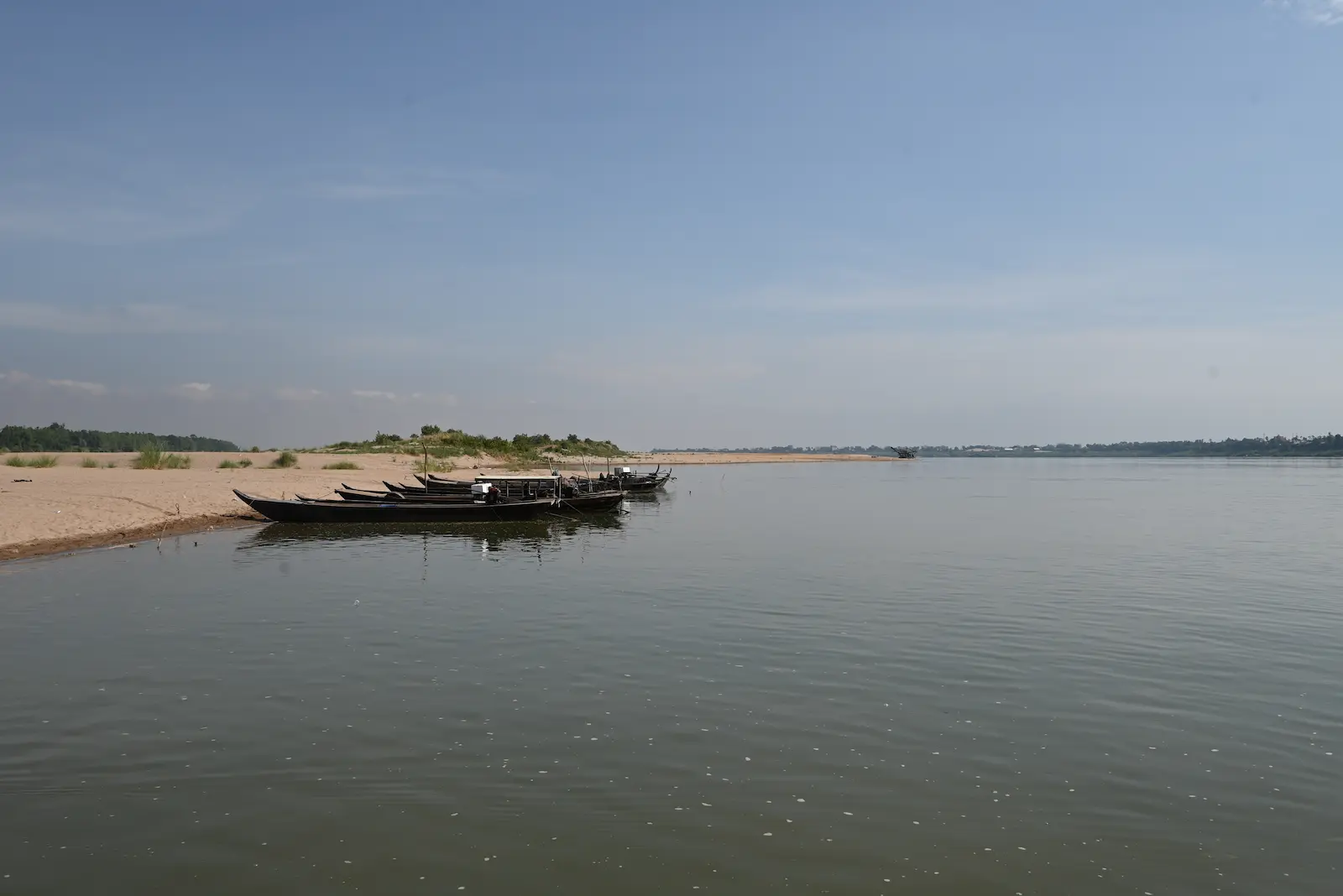
The dry season from November to April can make the dolphins easier to spot, mainly because the river is lower and they are more concentrated in the deeper areas. It’s also the time to visit Kampi Rapids, as the bamboo structures are removed during the wet season.
All of this is not to say don’t visit in the wet season. We look forward to returning one day to see Kracheh when the Mekong is higher and we can see all of those stilt houses put to use. There are also usually fewer tourists around Cambodia at this time, so it can be a nice quiet time to visit.
Is Kracheh worth visiting?
We really loved our time in Kracheh and can’t wait to get back. Seeing the dolphins was certainly the highlight, but we were also really surprised by how peaceful it was and how much more there was to do than we first thought.
We would definitely say it’s worth considering for your itinerary, especially if you enjoy getting out into the countryside. Between cycling around Koh Trong, following the Mekong through small villages, seeing the dolphins and exploring some of the pagodas, we found plenty to keep us busy for a few days.
If you’ve got a few extra days in Cambodia and aren’t sure where to spend them, Kracheh could be a great addition to your trip. And if you’re travelling to or from Ratanakiri or further north towards Laos, we’d recommend stopping here along the way.
We visited Kracheh in May 2026
Related Posts