BATTAMBANG
Battambang Provincial Museum: What to Expect When Visiting
Located close to the Independence Monument and the Sangke River, the Battambang Provincial Museum houses a collection of archaeological artefacts, mainly statues and lintels from the Angkorian period. Because the museum is only open on weekdays, it took us years to finally visit. When we did, we found it to be a sweet little museum with a surprisingly large collection for its size, including many sculptures from temples around Battambang and the surrounding provinces.
A Little History of the Museum
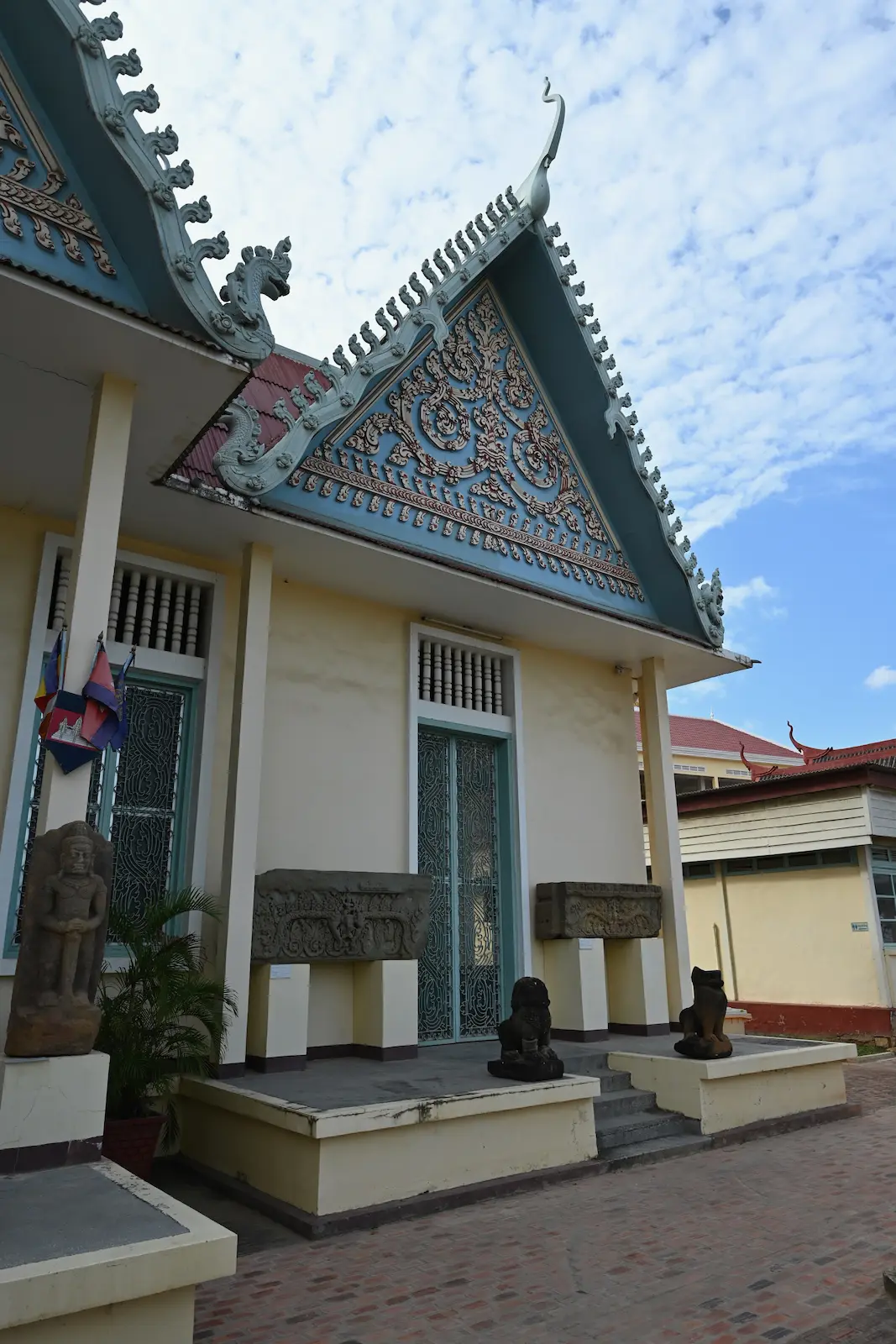
The building itself is quite small and was built in 1968 as part of the development of Battambang’s riverfront during the reign of King Norodom Sihanouk. Originally constructed in a T-shape, it takes inspiration from traditional Khmer architecture and has a similar appearance to the National Museum in Phnom Penh.
Interestingly, we learnt from a sign inside the museum that the building was used as a prison during the Khmer Rouge period. Although some of the museum’s more important artefacts had already been transferred to Phnom Penh for protection, others remained in the building throughout this time. Shackles were also found in the museum compound after the Khmer Rouge left in 1979.
Exploring the Museum’s Collection
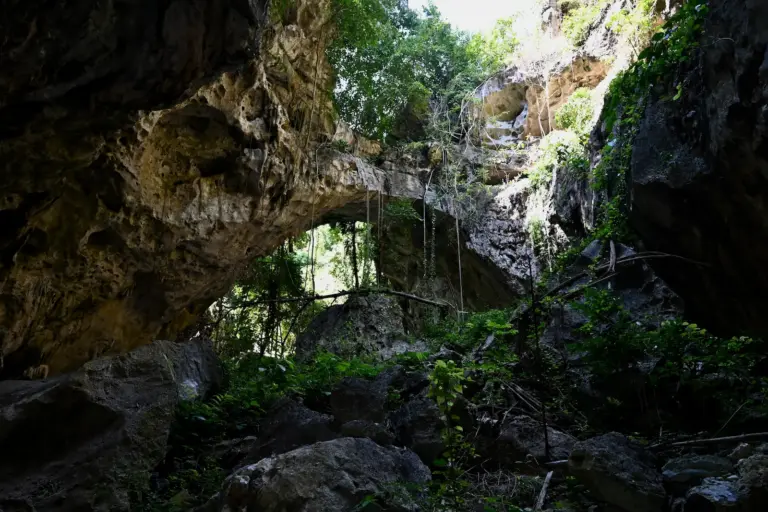
After paying the 12,000៛ ($3) entrance fee (free for children under 10 and Cambodian visitors), the first section you come to is dedicated to Laang Spean, a prehistoric cave around 40 km from Battambang. There’s a slightly strange reconstruction of a Hoabinhian person making stone tools, photographs of the burials discovered at the cave and a collection of artefacts recovered during archaeological excavations.
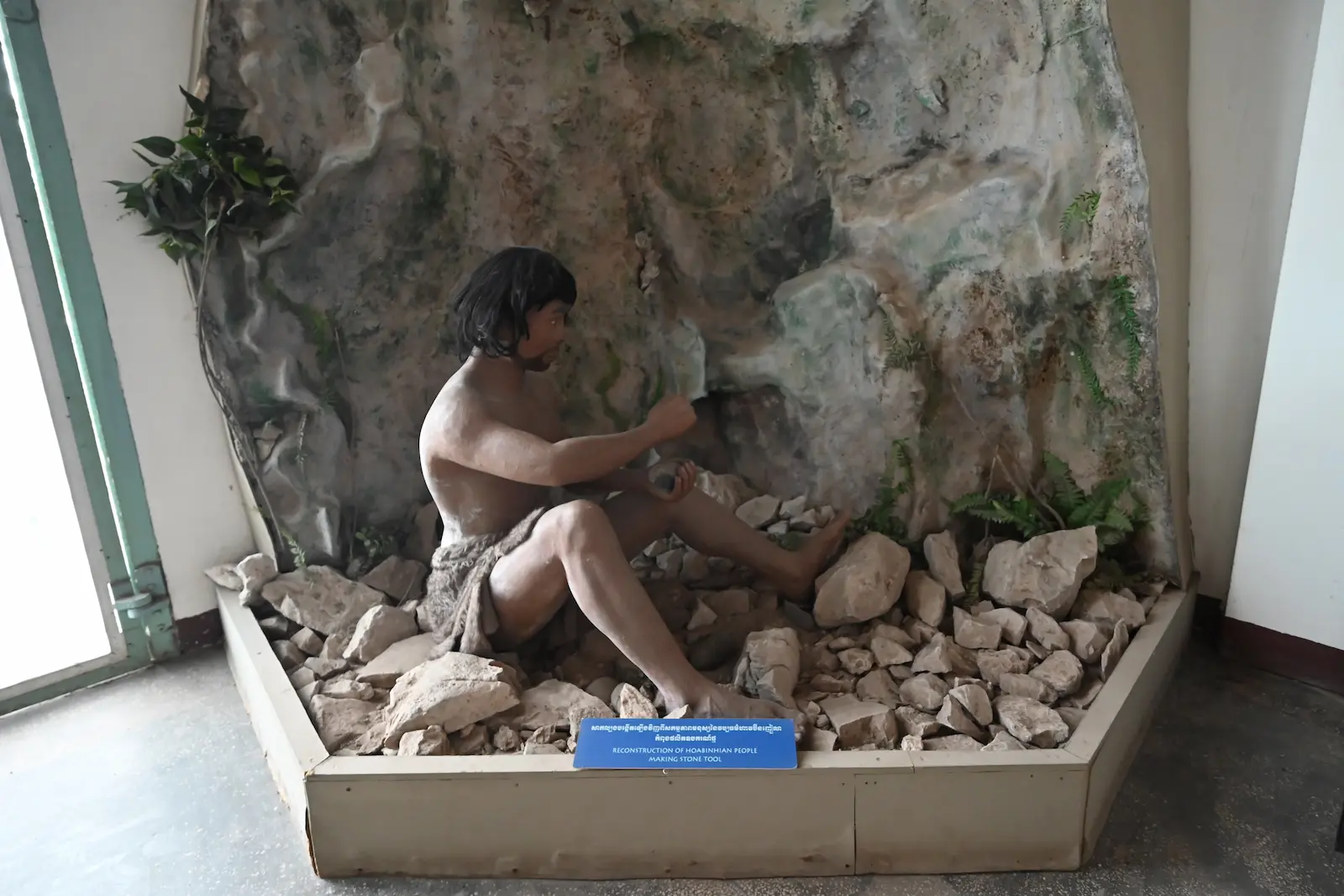
It’s an interesting introduction to the long history of human habitation in the area, with archaeologists finding evidence of human activity dating back around 71,000 years. If you’re planning to visit Laang Spean or already have, we’d recommend stopping at the museum too, as there’s plenty of information to complement your visit.
Walking through to the next section, you can see the original T-shaped design of the building, although the two side areas have since been enclosed. I particularly liked the ornate window grilles in this section.
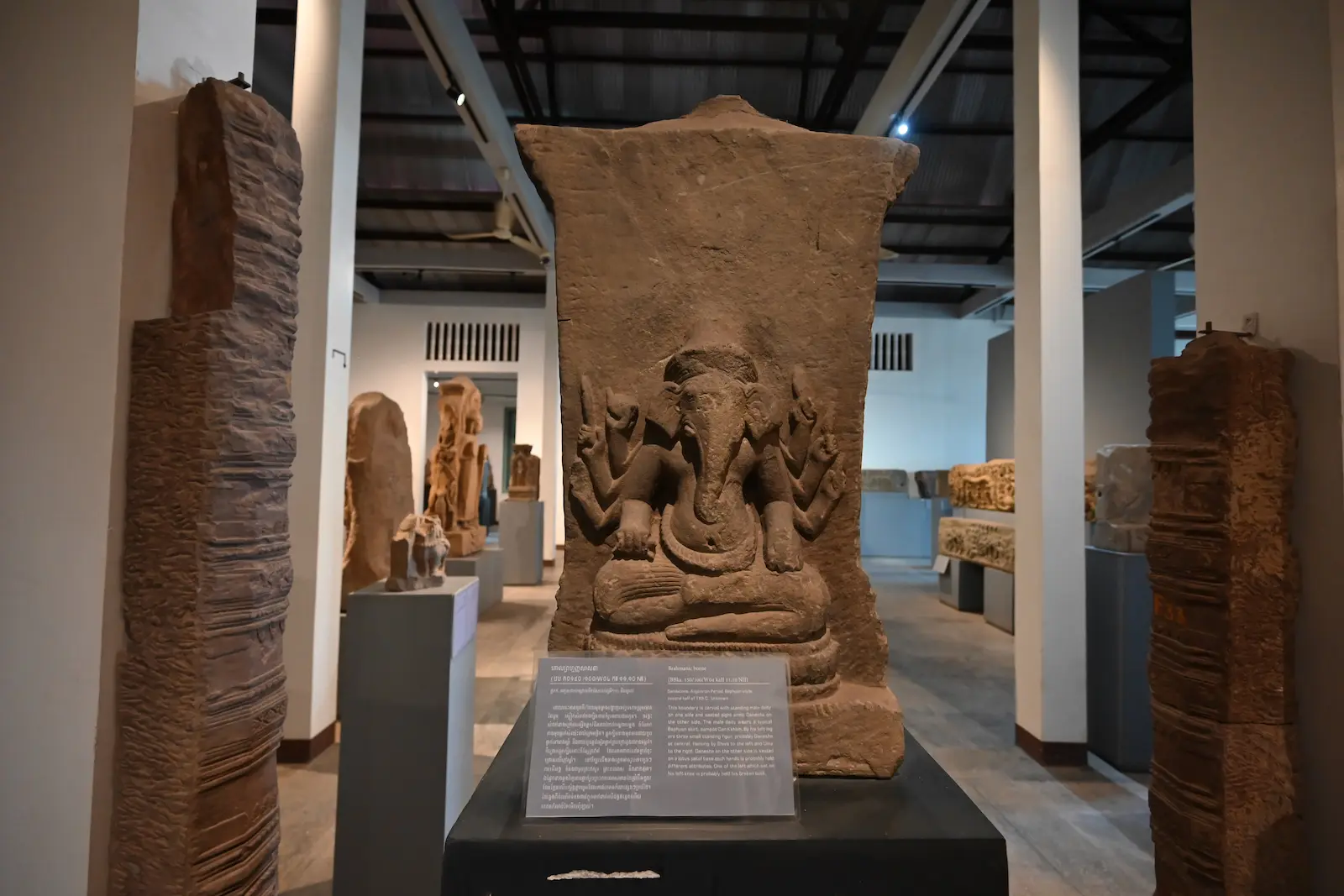
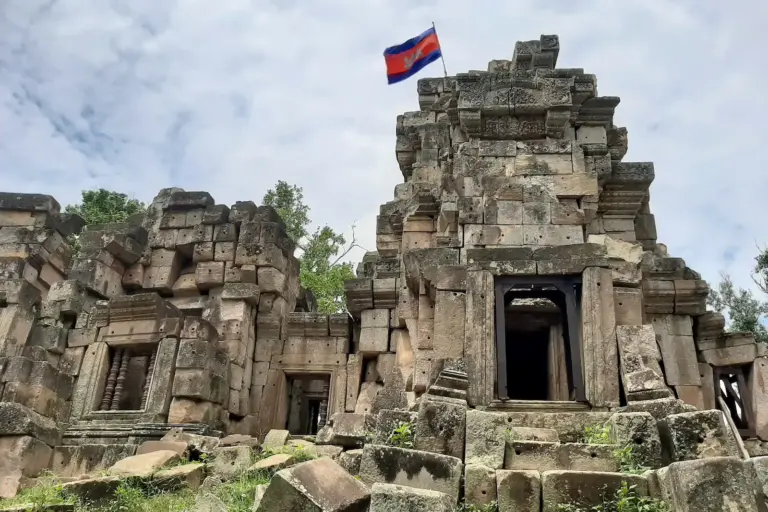
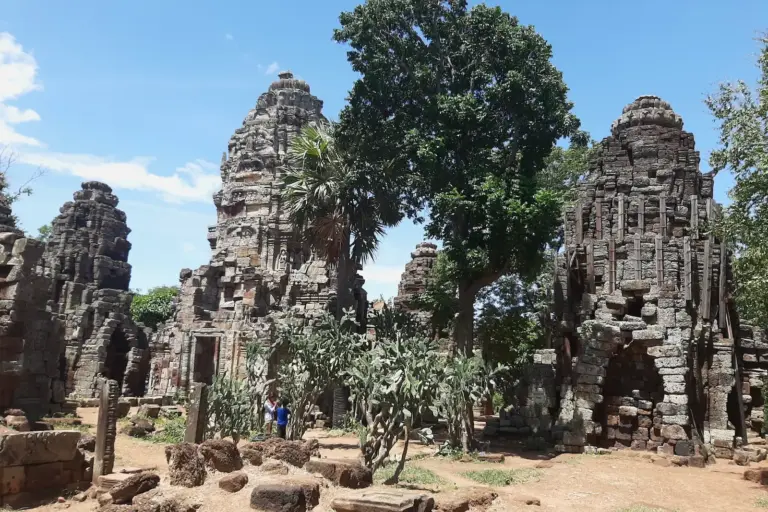
Continuing through into the main areas, you will find lintels and statues from nearby temples such as Banan, Baset and Ek Phnom, as well as others from around the province and neighbouring Siem Reap Province.
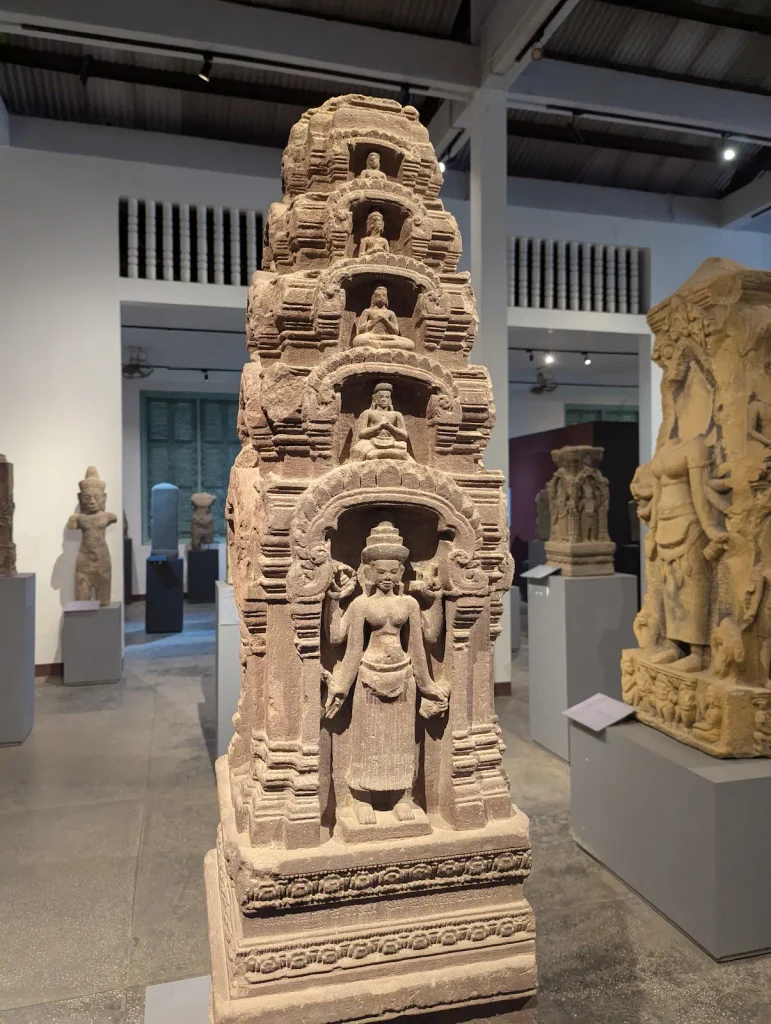
Our favourite piece was the four-sided Brahmanic stele, dating to around 900 AD, which sits in the middle section. The sandstone carving has a series of small figures arranged in niches above the main figure, and we spent quite a while looking at all the details.
Also look for the palm leaf manuscripts near the end of the exhibition, traditional texts written on prepared palm leaves and bound together between wooden covers. They were commonly used to preserve Buddhist religious texts, and you can sometimes find piles of them in pagodas if you look in the dusty corners.
You’ll probably have the place to yourself so you can wander through the rooms and take your time. The museum is generally laid out in chronological order. All the pieces have descriptions in Khmer and English, although some of the English translations take a little deciphering. The museum has undergone renovations in recent years, so the galleries are well lit.
Outside the museum are a few lintels and stone guardian lions, so make sure you look at those on your way in or out.
Next door to the museum is another interesting building from the same period. Originally built to house travelling exhibitions, it has a wooden gallery surrounding a central courtyard, which once contained a lotus pond. When we visited, the pond had been filled in and the building appeared to be used mainly for storage. It’s not generally open to visitors, but if you’re interested in architecture, it’s worth having a look from outside.
Planning Your Visit
The museum is closed on weekends and also closes for a couple of hours over lunch, so it’s best to visit during the morning or afternoon.
Allow around 30–45 minutes to look through the collection, or longer if you want to read all the descriptions. There’s no air conditioning or fans, but we found it pleasant enough in December when we visited.
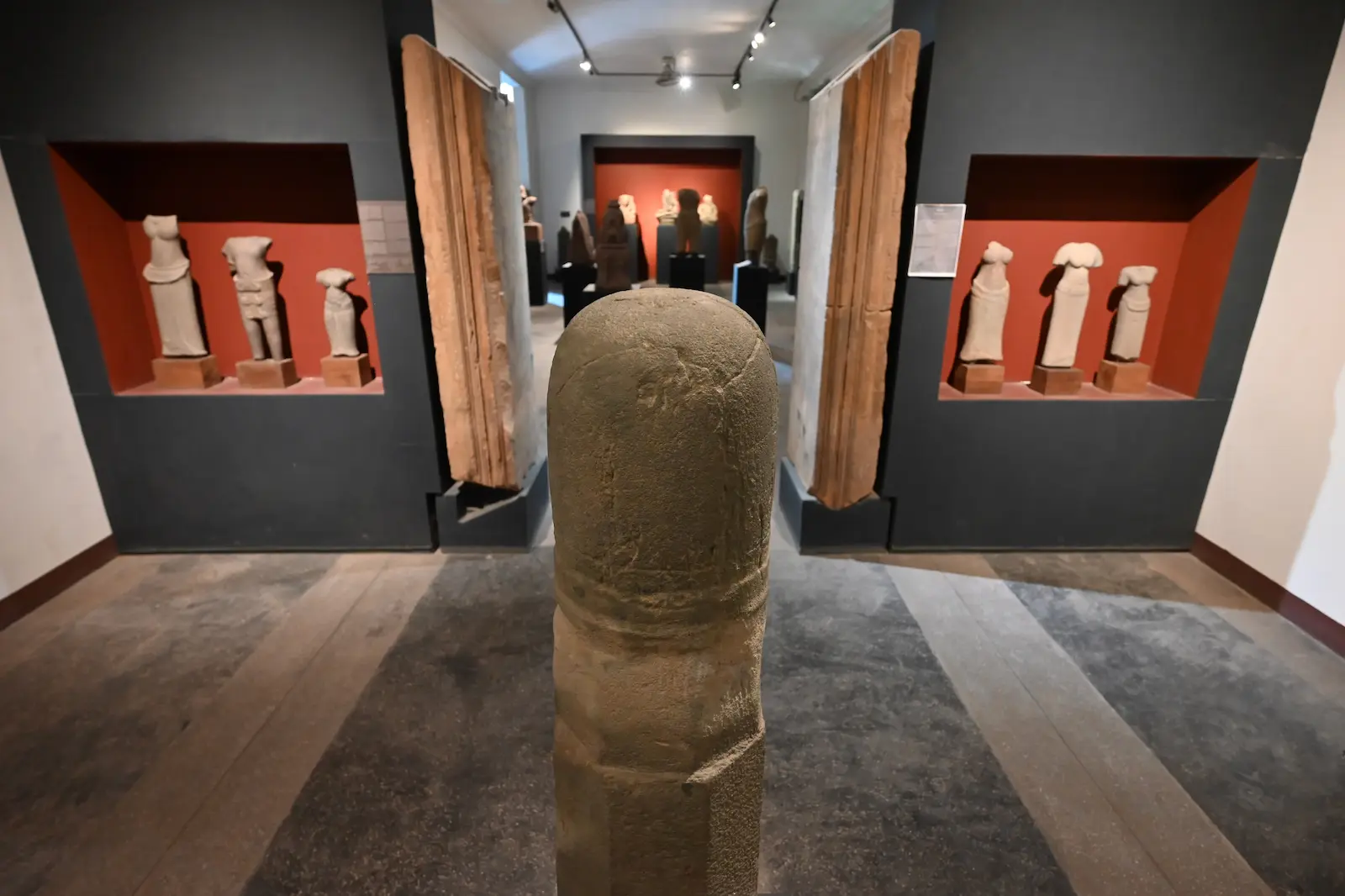
It’s not a substitute for the National Museum in Phnom Penh or the Angkor National Museum in Siem Reap, but if you’re spending time in Battambang, it’s worth stopping in for a look. It’s also an easy addition to a walking tour of Battambang, or somewhere to escape to if an afternoon rainstorm catches you out.
We visited the Battambang Provincial Museum in December 2025
Related Posts